
Why Don't AC Systems Last as Long in Florida?
In most states, an AC system gets a break. In Florida, it doesn't.
Rocket Recommendation: If you live within a few miles of the coast or in the Florida Keys, plan for a shorter system lifespan and stay on top of maintenance twice a year to get the most out of your equipment.
If you want the full breakdown, we cover the details below!

Florida homeowners often wonder why their neighbor up north seems to get 20 years out of an AC system while theirs needs replacing in half that time. The answer comes down to three things: how much your system runs, how humid your environment is, and how close you are to the coast.
This guide breaks down each factor so you know exactly what you're dealing with.
Florida AC Systems Run Year-Round...Most Don't
In northern states, AC systems run for maybe 4 to 6 months a year. They get a long rest in the fall and winter when temperatures drop and heating takes over.
In Florida, there is no real off-season. Your AC runs in January. It runs in March. And from May through October it runs almost constantly, sometimes around the clock during heat waves.
That means a Florida AC system can log two to three times more operating hours per year than a system in a seasonal climate. More hours equals more wear on every component -- the compressor, the fan motors, the capacitors, the coils. Everything ages faster simply because it works more.
This is the single biggest reason Florida systems don't reach the 15 to 20 year national average. It's not a defect - it's physics.
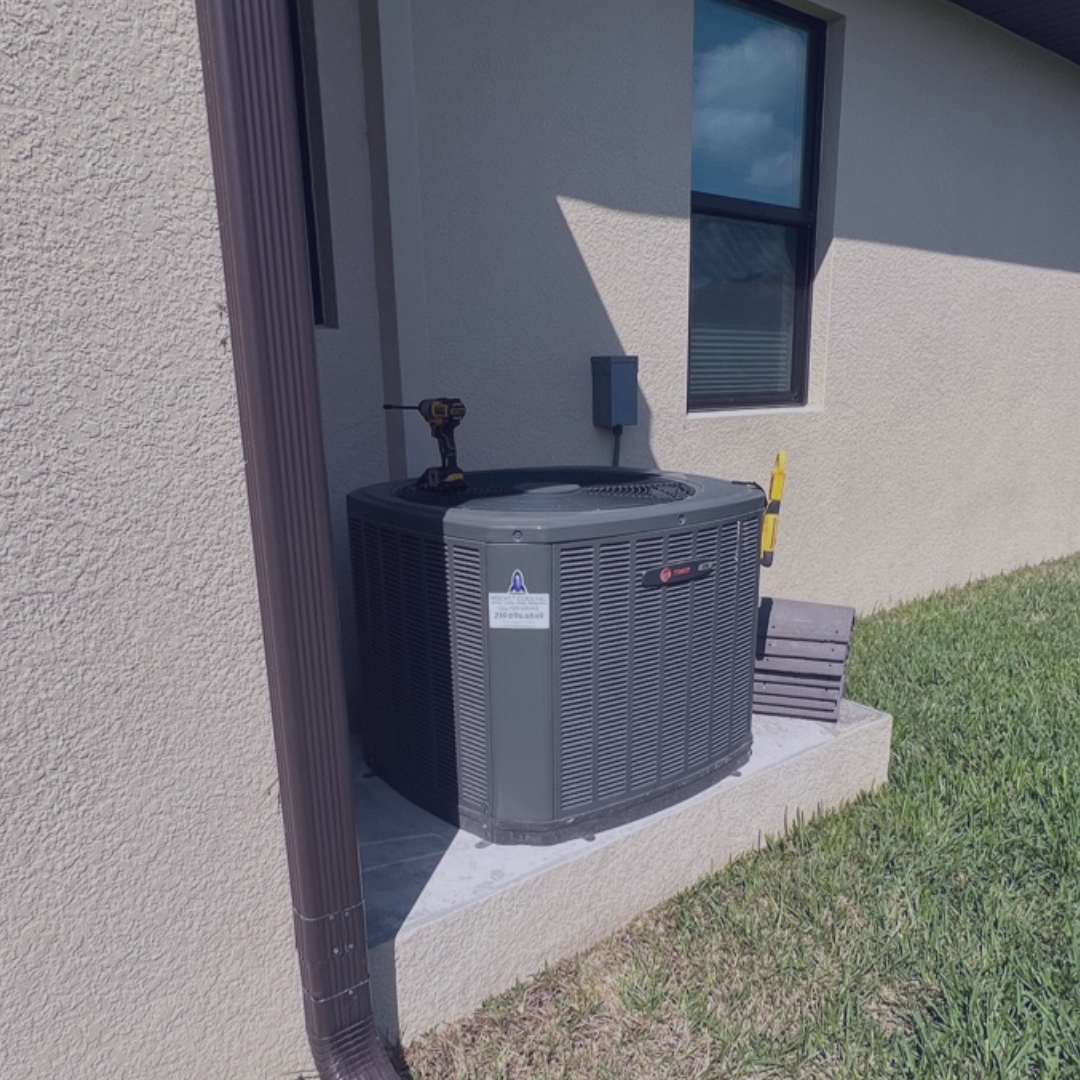
High Humidity Causes Moisture Damage and Corrosion
Florida's humidity doesn't just make you uncomfortable, it actively works against your AC system. Your system pulls moisture out of the air as part of the cooling process. In a high-humidity environment like Florida, that means your system is constantly managing more moisture than it would in a drier climate. Over time this causes:
The evaporator and condenser coils are constantly exposed to moisture in Florida's climate, causing them to corrode and degrade faster than in drier states.
Florida puts AC systems through conditions most equipment was never designed to handle.
- ✓ Systems run year-round with no off-season
- ✓ More run time means faster wear on every component
- ✓ High humidity causes drain line clogs and coil corrosion
- ✓ Moisture breaks down electrical components faster
- ✓ Salt air corrodes coils and copper refrigerant lines
- ✓ Sargassum gas in coastal areas accelerates copper deterioration
The Best Way To Protect Your AC Unit In Florida
You can't change Florida's climate but you can manage how it affects your system. The homeowners who get the most out of their AC in Florida are the ones who stay ahead of it, not the ones who wait for something to break. If your system is showing signs of wear or you're not sure how much life it has left, our Repair or Replace Tool can help you figure out the right next step based on your system's age, repair cost, and efficiency.
Regular maintenance is the single most effective thing you can do to extend your AC's life in Florida. Our membership plan includes twice-yearly tune-ups, priority service, discounts on repairs and our online filter store - built specifically for Florida homeowners who want to stay ahead of the heat. Florida puts your AC through more than almost any other climate in the country. Knowing why systems wear out faster here - and taking the right steps to slow that process down - makes a real difference in how long your system lasts and how much you spend keeping it running.